
A lot of people are curious about electric cars right now, but many are still unsure whether switching from petrol actually makes sense. Some worry about charging. Others worry about battery life or long-distance travel. The truth is that EV ownership is usually much simpler than most people expect.
Electric cars have gone from futuristic machines to everyday vehicles surprisingly fast. Today, they are becoming family cars, daily commuters, and practical alternatives to petrol vehicles.
This guide explains EV ownership in simple language without complicated technical jargon or unnecessary hype.
What Exactly Is an Electric Car?
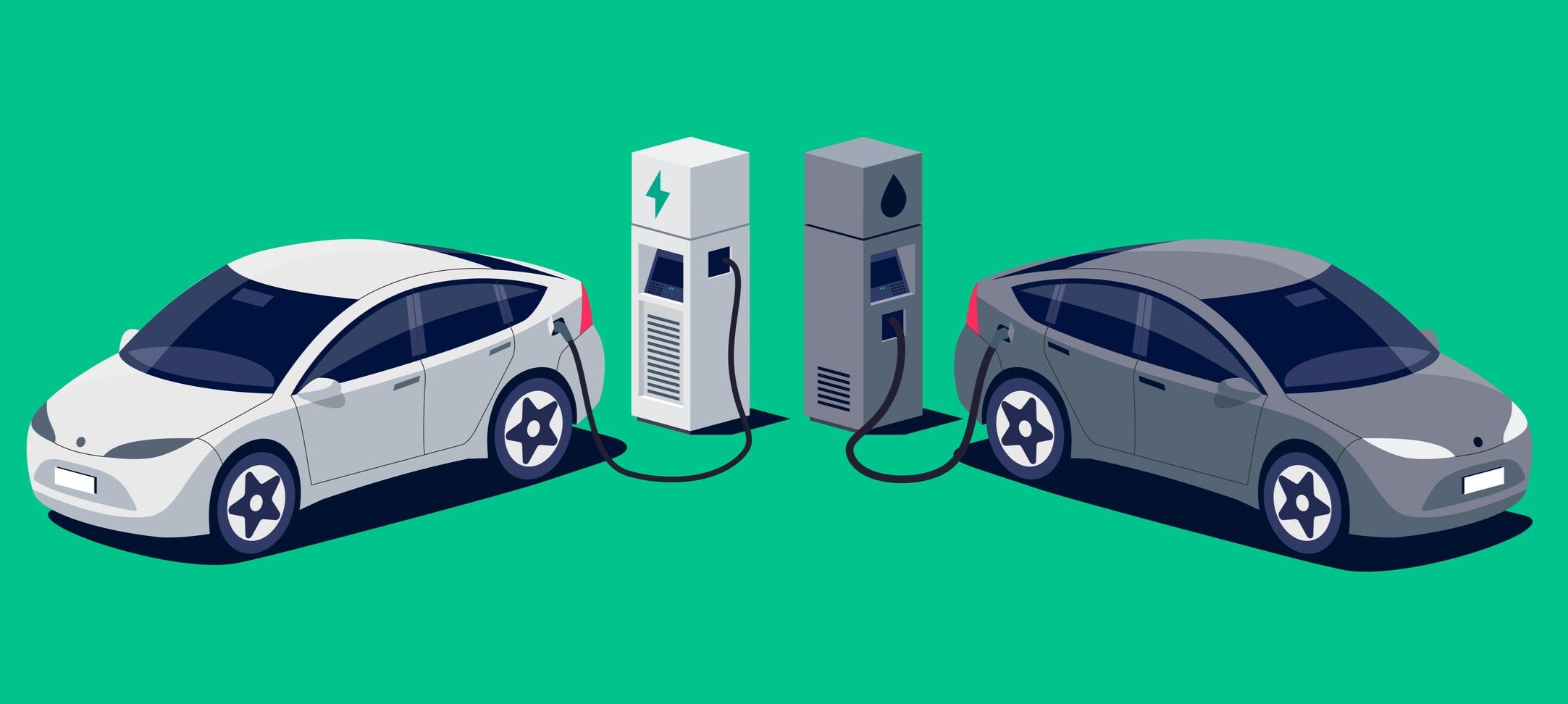
An electric vehicle, usually called an EV, runs on electricity instead of petrol or diesel.
Traditional cars use an engine that burns fuel. Electric cars use a battery pack and an electric motor instead. You charge the battery using electricity, and the motor powers the wheels.
That is the biggest difference.
Instead of stopping at fuel stations regularly, most EV owners simply plug in their cars at home, often overnight.
After a few weeks, many owners say this becomes one of the best parts of owning an EV.
The Different Types of Electric Vehicles
One thing that confuses beginners is that not every “electric car” works the same way.
There are three main categories.
| Type | Uses Petrol? | Needs Charging? | Best For |
|---|---|---|---|
| Hybrid | Yes | No | Better fuel economy |
| Plug-in Hybrid (PHEV) | Yes | Yes | Mixed city and highway driving |
| Fully Electric (BEV) | No | Yes | Complete EV experience |
Hybrid Cars
Hybrid cars combine a petrol engine with a small battery system. The battery charges automatically while driving, so you never plug the car in.
These cars mainly improve fuel efficiency and are popular among people who want better mileage without changing their driving habits too much.
Plug-in Hybrid Vehicles (PHEVs)
Plug-in hybrids sit somewhere in the middle.
They can drive short distances using electricity alone, but they also have a petrol engine for longer trips. Many buyers choose PHEVs because they want some EV benefits without fully depending on charging infrastructure.
Fully Electric Vehicles (BEVs)
These are the vehicles most people mean when they talk about EVs.
Cars from brands like Tesla, BYD, Hyundai and Kia are fully electric models with no petrol engine at all.
You charge them using electricity, similar to charging a large electronic device.
What Driving an EV Actually Feels Like
The first thing most people notice in an EV is the silence.
At traffic signals, the car barely makes noise. There is no engine vibration, no gear shifts, and almost no traditional engine sound while accelerating.
The second thing people notice is how smooth EVs feel in city traffic.
Electric motors deliver power instantly, so acceleration feels quick and responsive. Even affordable EVs often feel faster in traffic than regular petrol cars.
The overall driving experience feels calmer and more refined.
Many first-time owners are surprised by how quickly they get used to it.
Some even say going back to a petrol car feels old-fashioned after driving an EV for a while.
EV Charging Explained Simply
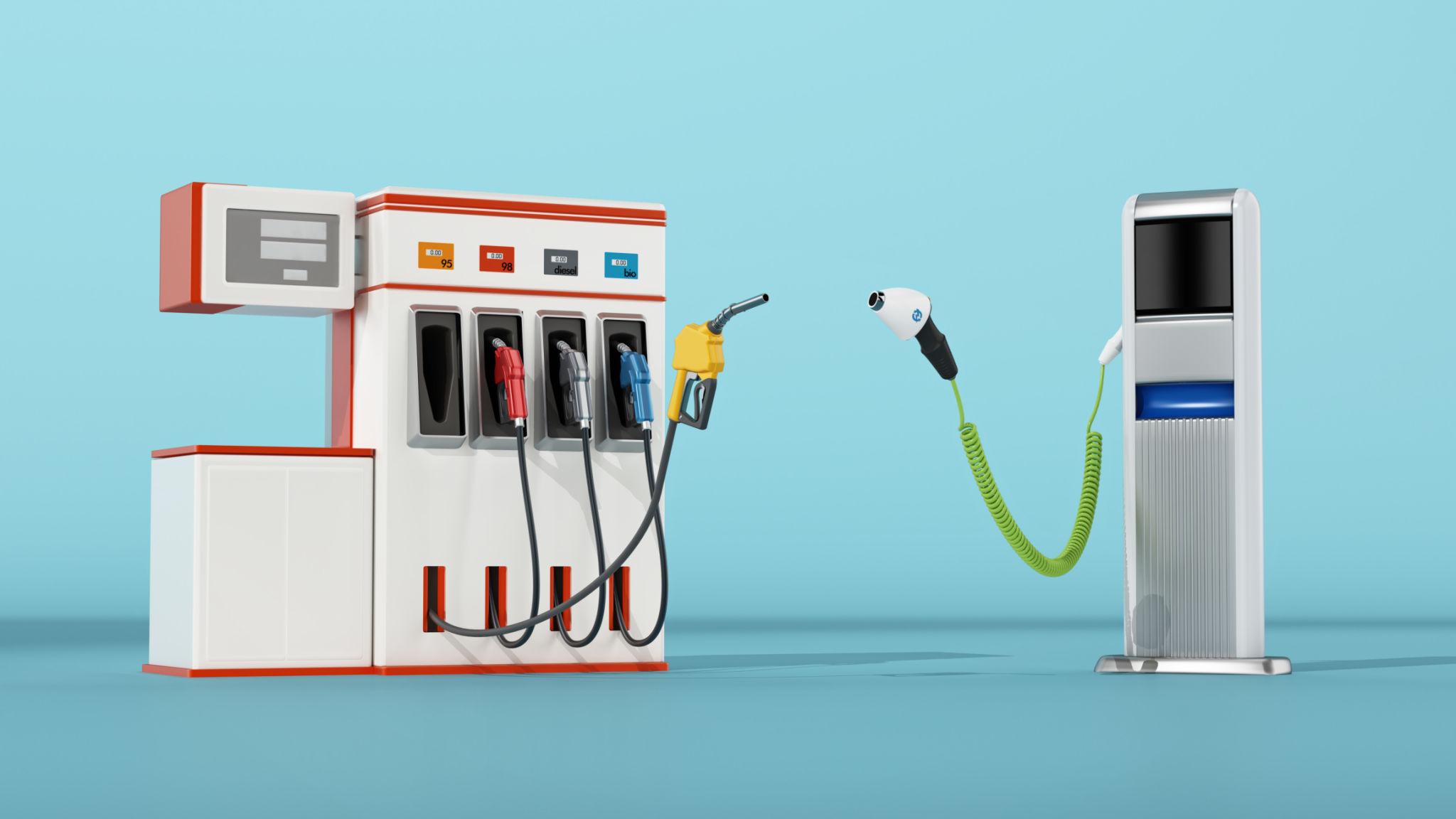
Charging is usually the biggest fear for new buyers, but it becomes much easier once you understand how it works.
Most EV owners do not depend on public chargers every day. Instead, they charge their cars at home overnight, similar to charging a phone.
There are three main charging types.
| Charging Type | Speed | Common Location | Best Use |
|---|---|---|---|
| Home Charging | Slow to Medium | House or apartment | Daily charging |
| Public AC Charging | Medium | Malls, offices, hotels | Top-up charging |
| DC Fast Charging | Fast | Highways and charging stations | Long-distance travel |
Home Charging
For most EV owners, home charging becomes the normal routine.
You return home, plug the car in, and wake up to a charged vehicle the next morning.
This changes how many people think about refueling.
Instead of visiting a fuel station every week, your home becomes your primary charging point.
If you have dedicated parking at home, EV ownership becomes much easier.
Public Charging
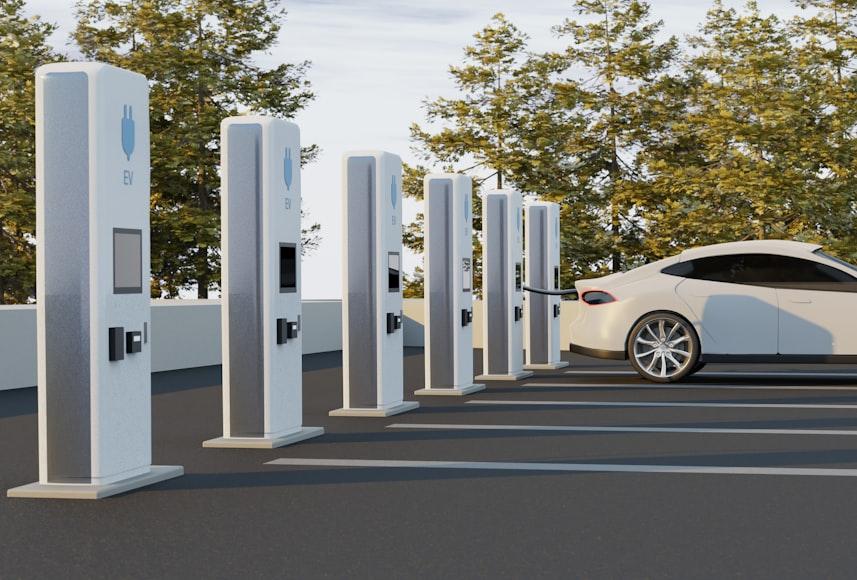
Public chargers are becoming more common in:
- shopping malls
- offices
- hotels
- parking complexes
- highways
These chargers are useful when you are outside or travelling longer distances.
Fast charging networks are also expanding rapidly in many countries.
Understanding EV Range
Range simply means how far an EV can travel on a full charge.
This is one of the most important things beginners research before buying an electric car.
However, many people overestimate how much daily driving they actually do.
A surprising number of drivers travel less than 40 to 50 kilometers per day. For this kind of usage, many modern EVs can comfortably handle several days between charges.
Real-World Range vs Claimed Range
Manufacturers often advertise ideal range figures tested under controlled conditions.
Real-world range depends on several factors:
- driving speed
- weather
- traffic
- air conditioning usage
- driving habits
Highway driving usually reduces range faster than city driving.
That does not mean EVs are impractical. It simply means owners learn to think differently about energy use compared to petrol cars.
How Much Does It Cost to Charge an EV?
This depends on electricity prices and battery size, but in many situations EVs cost significantly less to run than petrol vehicles.
That is one of the biggest reasons people switch.
Instead of paying high fuel bills every week, owners pay smaller electricity costs spread throughout the month.
Over time, those savings can become substantial.
EV Ownership Costs vs Petrol Cars
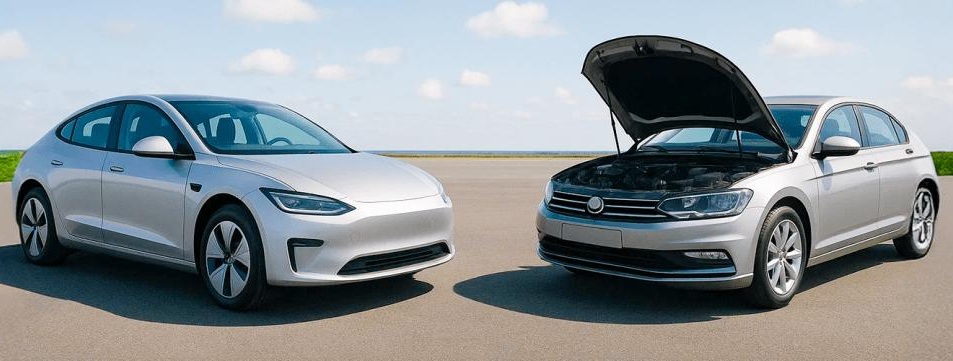
Many first-time buyers focus heavily on purchase price, but ownership cost matters just as much.
Here is a simplified comparison.
| Expense | Petrol Car | Electric Car |
|---|---|---|
| Fuel | Higher | Lower |
| Oil Changes | Required | Not needed |
| Engine Maintenance | Higher | Lower |
| Brake Wear | Moderate | Often lower |
| Refueling Convenience | Fuel stations | Mostly home charging |
EVs usually have fewer moving parts, which reduces maintenance complexity.
There is no engine oil, no exhaust system, and no traditional gearbox in most EVs.
That simplicity is one reason many owners enjoy them long term.
What About Battery Life?
Battery concerns stop many people from considering EVs.
The common fear is:
“What happens if the battery dies after a few years?”
Modern EV batteries are far more durable than many people assume.
Most manufacturers now provide long battery warranties, and battery degradation usually happens gradually over many years rather than suddenly.
In real-world ownership, most drivers are unlikely to replace the battery during normal usage.
Battery technology is also improving quickly every year.
Are EVs Good for Long Trips?
Yes, but road trips require slightly more planning compared to petrol cars.
With petrol vehicles, drivers are used to refueling almost anywhere within minutes. EV road trips depend more on charging station availability and route planning.
However, charging infrastructure is improving quickly, especially on highways and in major cities.
For many owners, long-distance EV travel becomes normal after a few trips.
Apartment Living and EV Ownership
This is one area many buyers overlook.
If you live in an apartment without reliable charging access, owning an EV can become inconvenient.
Before buying an EV, it is important to check:
- parking access
- charging permissions
- nearby public chargers
- workplace charging options
Home charging convenience is one of the biggest advantages of EV ownership, so access matters a lot.
What Surprises Most First-Time EV Owners
Many people expect electric cars to feel complicated, but owners are often surprised by how normal EV life becomes after a few weeks.
One unexpected change is how rarely they visit fuel stations anymore. Plugging the car in at home slowly becomes part of the daily routine, similar to charging a phone overnight.
Another surprise is how quiet traffic feels inside an EV. At first, some drivers even double-check whether the car is switched on because there is so little vibration or engine noise.
The instant acceleration also catches many first-time drivers off guard. Even basic EVs feel quick and smooth while overtaking or moving through city traffic.
For many people, the biggest surprise is not the technology itself. It is how quickly EV driving starts feeling normal.
Common EV Myths That Confuse Beginners
A lot of misinformation still surrounds electric cars.
One common myth is that EVs are only for wealthy buyers. While premium EVs exist, affordable electric vehicles are growing rapidly, and used EV markets are also expanding.
Another myth is that batteries fail quickly. Modern battery systems are much more durable than early public perception suggested.
Some people also believe charging is extremely difficult. In reality, owners with home charging access often find EV charging easier than visiting fuel stations regularly.
There is also the assumption that EVs are boring to drive. Ironically, many first-time drivers are surprised by how enjoyable electric acceleration feels.
Who Should Buy an EV?
Electric cars make the most sense for people who:
- mainly drive in cities
- have predictable daily travel
- can charge at home or work
- want lower running costs
- prefer quieter and smoother driving
However, EVs may not suit everyone yet.
Drivers who regularly travel extremely long highway distances in areas with weak charging infrastructure may still find petrol or hybrid vehicles more convenient for now.
Mistakes First-Time EV Buyers Should Avoid
One of the biggest mistakes beginners make is buying based only on advertised range.
Practical ownership matters more than marketing numbers.
Another mistake is ignoring charging access before purchase. A great EV can quickly become frustrating if charging is inconvenient.
Some buyers also overspend on features they rarely use. For first-time ownership, reliability, charging support, and service availability matter more than flashy technology.
The Future of Electric Cars
Electric vehicles are no longer a temporary trend.
Almost every major car manufacturer is investing heavily in EV technology, batteries, charging infrastructure, and software systems.
Over the next decade, EVs will likely become increasingly normal for everyday drivers.
Charging speeds are improving. Battery technology is improving. Prices are gradually becoming more competitive.
The transition is already happening.
Frequently Asked Questions
How long do EV batteries last?
Most modern EV batteries are designed to last many years. Battery degradation happens gradually, and many manufacturers now offer long battery warranties.
Can electric cars be charged in the rain?
Yes. EV charging systems are designed with safety protections, and charging in normal rain conditions is generally safe.
Are electric cars cheaper to maintain?
In many cases, yes. EVs have fewer moving parts and do not require engine oil changes or traditional engine maintenance.
How long does charging take?
Charging time depends on the charger type and vehicle battery size. Home charging is slower, while DC fast charging can recharge many EVs much more quickly during long trips.
Can EVs handle long road trips?
Yes, but planning is more important compared to petrol cars. Drivers need to consider charging station locations and charging stops during longer journeys.
Final Thoughts
Buying your first electric car can feel intimidating at the beginning, especially if you have driven petrol vehicles your entire life.
But most EV owners eventually realize that daily ownership is much simpler than expected.
Charging becomes routine. Maintenance becomes easier. Driving feels smoother and quieter. Fuel expenses often decrease significantly.
Electric cars are not perfect for every situation yet, and they may not suit every driver today.
But for many people, especially city commuters and daily drivers, EVs already make practical sense.
The key is understanding your lifestyle honestly before making the switch.
Once your driving habits, charging access, and expectations align, owning an electric car becomes surprisingly easy, even for complete beginners.