
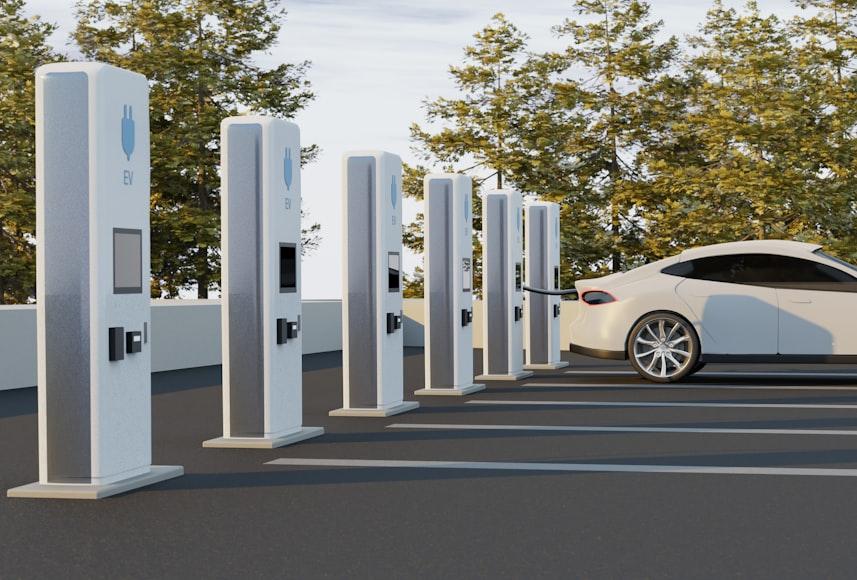
Charging an electric car usually costs less than filling a petrol vehicle, especially when charging at home. Actual EV charging cost depends on electricity prices, battery size, driving habits, and charging type.
One of the biggest reasons people become interested in electric cars is the promise of lower running costs.
Almost everyone has heard someone say:
“EVs are much cheaper to run than petrol cars.”
But what does that actually mean in real life?
How much does charging really cost? Is home charging cheap? Does fast charging become expensive? And do EV owners actually save money every month?
The answer depends on how and where you charge your vehicle, but for many people, electric cars do cost noticeably less to run compared to petrol or diesel vehicles.
At the same time, there are a few things new buyers often overlook.
This guide explains EV charging costs in simple language without confusing technical calculations or unrealistic claims.
Why EV Charging Costs Matter
When people compare electric cars with petrol vehicles, they usually focus on the purchase price first.
That makes sense because many EVs still cost more upfront.
But long-term ownership costs matter just as much.
Fuel is one of the biggest recurring expenses for car owners. If charging costs significantly less than petrol, those savings can add up over time.
That is one reason many EV owners say the biggest difference is not how the car drives. It is how much less painful monthly running costs feel.
What Affects EV Charging Cost?
There is no single charging cost that applies to every EV owner.
Several things affect how much you spend.
| Factor | Why It Matters |
|---|---|
| Battery Size | Larger batteries need more electricity |
| Electricity Rates | Charging costs depend on local power prices |
| Driving Distance | More driving means more charging |
| Charging Type | Fast chargers usually cost more |
| Driving Style | Aggressive driving uses more energy |
| Weather | Very hot or cold weather can affect efficiency |
For example, someone who drives mostly in the city and charges at home will usually spend far less compared to someone who depends heavily on highway fast charging.
Home Charging vs Public Charging
This is one of the biggest differences in EV ownership costs.
Most EV owners save money because they charge primarily at home.
Public charging is useful, especially for road trips, but it usually costs more than home charging.
Here is a simple comparison.
| Charging Type | Typical Cost | Best Use |
|---|---|---|
| Home Charging | Lowest | Daily charging |
| Public AC Charging | Medium | Occasional top-up |
| DC Fast Charging | Highest | Long-distance travel |
For many people, home charging becomes the biggest advantage of EV ownership.
Instead of visiting fuel stations regularly, the car charges while parked overnight.
That routine slowly becomes normal surprisingly quickly.
How EV Electricity Usage Works
Electric cars use electricity stored in battery packs.
Battery size is measured in kilowatt-hours, usually written as kWh.
Think of it like the fuel tank size of an EV.
A larger battery usually means:
- longer driving range
- longer charging time
- slightly higher charging cost
However, larger batteries also allow drivers to travel farther between charges.
EV Charging Cost Per Kilometer
Many people want to know:
“How much does an EV cost per kilometer?”
The exact number depends on electricity prices and vehicle efficiency, but EVs are often significantly cheaper per kilometer compared to petrol cars.
This becomes especially noticeable for:
- daily commuters
- city drivers
- people with long office commutes
For many owners, the difference becomes obvious after a few months of reduced fuel spending.
EV vs Petrol Running Cost Comparison
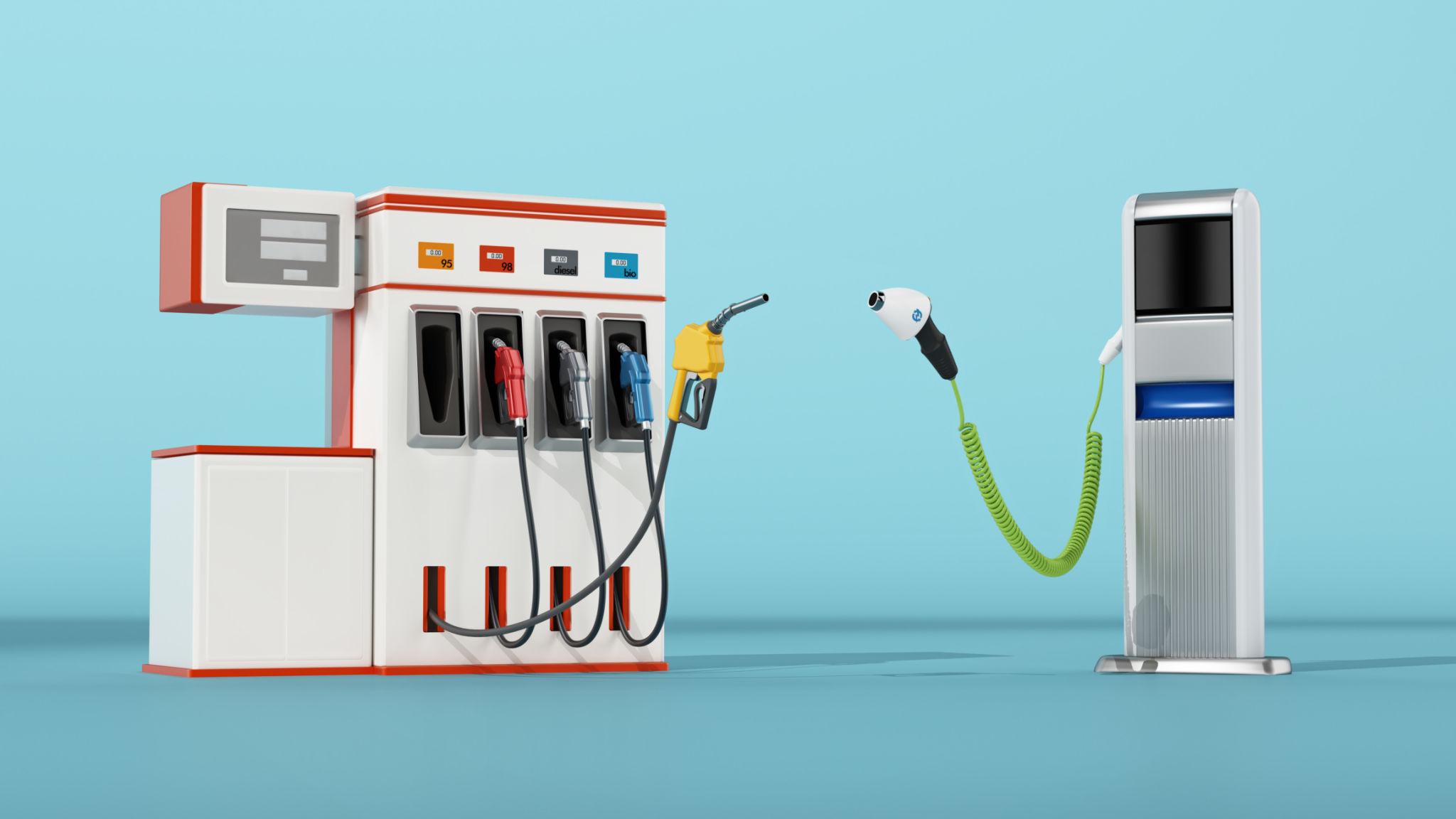
This is where EV ownership becomes interesting financially.
Here is a simplified comparison.
| Expense | Petrol Car | Electric Car |
|---|---|---|
| Fuel/Energy Cost | Higher | Lower |
| Oil Changes | Required | Not needed |
| Engine Maintenance | Higher | Lower |
| Gearbox Maintenance | Possible | Minimal |
| Home Refueling Convenience | No | Yes |
EVs usually have fewer moving parts, which also helps reduce maintenance complexity over time.
There is no engine oil, no exhaust system, and no traditional engine-related servicing in most electric cars.
That simplicity is one reason many EV owners say the cars feel easier to maintain long term.
Does Fast Charging Cost More?
Yes, in many cases fast charging costs more than charging at home.
Fast chargers are designed for convenience and speed, especially during:
- highway travel
- road trips
- long-distance driving
They are extremely useful, but relying only on fast charging can increase ownership costs.
Most experienced EV owners use a mix of:
- home charging for daily driving
- fast charging only when necessary
That balance usually keeps costs reasonable.
Charging During Peak and Off-Peak Hours
Electricity prices can vary depending on time of day in some regions.
Some EV owners intentionally charge:
- late at night
- during off-peak hours
- when electricity demand is lower
This can further reduce charging costs.
Over time, small savings from smarter charging habits can add up surprisingly well.
Realistic Monthly EV Charging Costs
Charging cost depends heavily on driving habits.
A person who drives short city distances daily may spend very little on charging each month.
Someone travelling long highway distances regularly will naturally spend more.
But for many average commuters, EV charging still ends up noticeably cheaper than weekly petrol refueling.
This is especially true for owners who:
- charge mostly at home
- avoid depending heavily on fast chargers
- have predictable driving patterns
Hidden EV Charging Costs to Know
Electric cars can save money long term, but first-time buyers should still understand the additional costs involved.
One common expense is home charger installation. Some owners install dedicated wall chargers for faster and more convenient charging.
Apartment charging can also become complicated in buildings without proper EV infrastructure.
Another thing many people overlook is fast charging dependency. Drivers who cannot charge at home and rely heavily on public fast chargers may not save as much money as expected.
This does not make EVs a bad choice. It simply means charging convenience matters a lot.
What Most New EV Owners Notice About Charging
Many first-time owners expect charging to feel inconvenient.
In reality, most people slowly stop thinking about it after a few weeks.
Instead of planning fuel station visits, charging becomes part of the daily routine. The car charges while parked, often overnight, and is ready the next morning.
Some owners even say they miss this convenience when driving petrol cars again.
Another interesting change is how differently EV owners begin thinking about energy use. People become more aware of:
- driving efficiency
- charging habits
- energy consumption
- route planning
For many drivers, this adjustment becomes surprisingly natural.
Is EV Charging Actually Cheaper?
For many people, yes.
Especially for:
- city commuters
- office workers
- families with predictable daily driving
- owners with home charging access
EV charging often costs noticeably less than petrol or diesel refueling.
However, the answer is not identical for everyone.
Drivers who:
- travel extremely long highway distances
- rely heavily on fast charging
- lack convenient charging access
may see smaller savings.
That is why realistic expectations matter more than hype.
Frequently Asked Questions
Is charging an EV cheaper than buying petrol?
In many cases, yes. Home charging is usually cheaper than regularly filling a petrol tank, especially for daily commuters.
Does fast charging cost more?
Yes. DC fast charging is usually more expensive than home charging because it prioritizes speed and convenience.
How long does home charging take?
Charging time depends on the charger type and battery size. Overnight charging is common for daily use.
Can solar panels reduce EV charging costs?
Yes. Some EV owners use solar systems to reduce electricity costs even further.
Is EV charging difficult for apartment owners?
It depends on the building and charging access. Dedicated parking and charging permissions make EV ownership much easier.
Final Thoughts
One of the biggest surprises about EV ownership is how normal charging eventually feels.
At first, many people imagine charging will be complicated or stressful. But for most daily drivers, it slowly becomes part of a routine, similar to charging a phone overnight.
Electric cars are not automatically cheaper in every single situation. Charging habits, electricity prices, and driving patterns all matter.
Still, for many owners, especially people who charge mainly at home, EV running costs can feel noticeably lower compared to petrol vehicles.
The important thing is understanding your own driving habits honestly before making the switch.
Once charging access and daily usage match your lifestyle, EV ownership often becomes much simpler and more affordable than many first-time buyers expect.